First Generation Programming Services

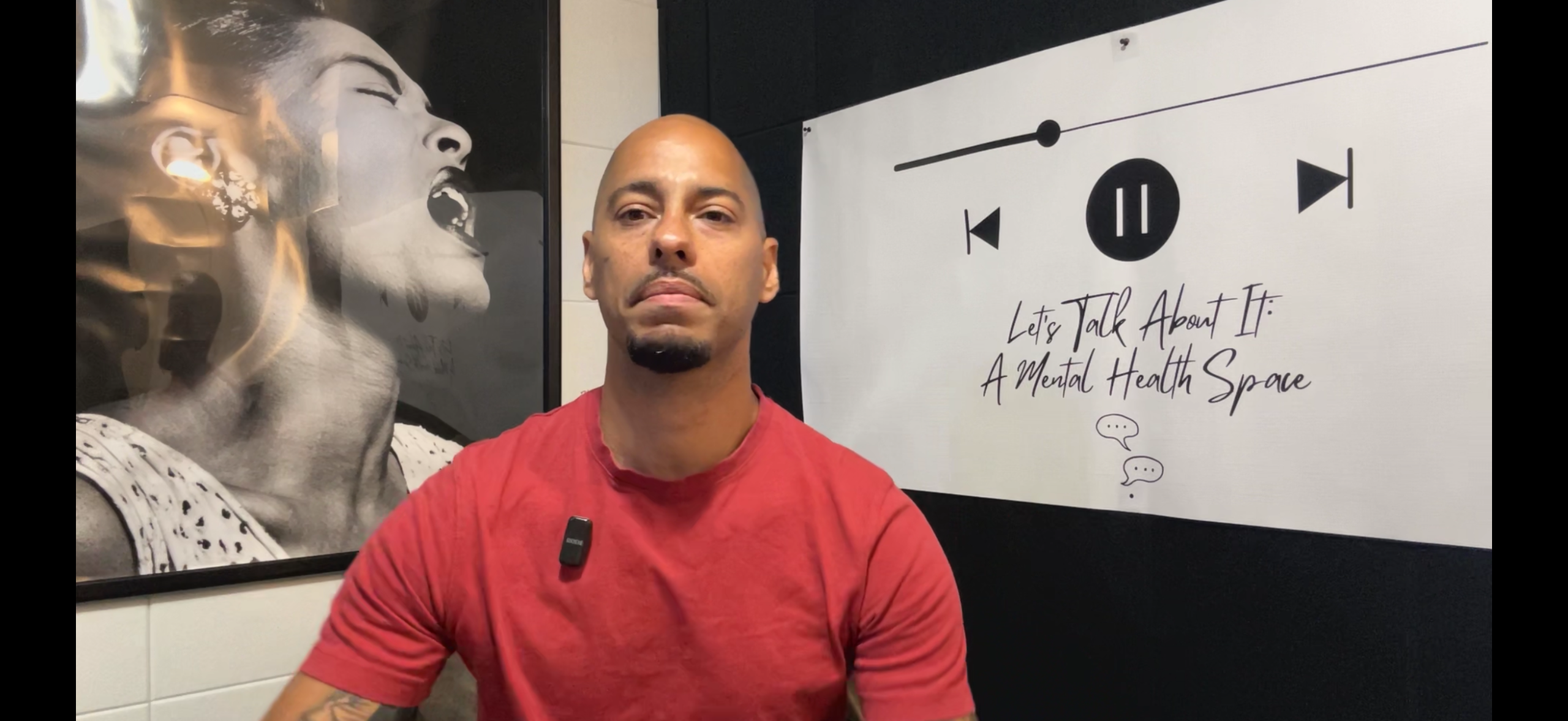
Welcome back, social workers! As we step into a new month, I want to open up a conversation that doesn’t get nearly enough attention in our work. Let’s talk about representation.
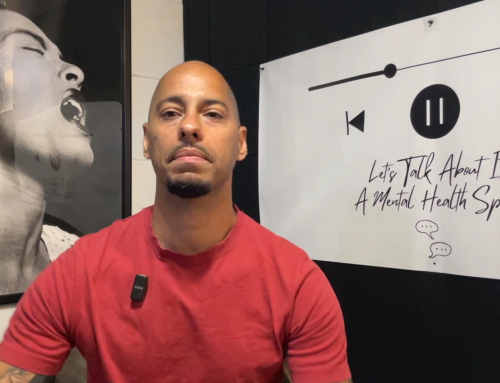
In this episode, I discuss reducing the stigma in social work to get into representation. Some questions that I dive into include: who is actually providing that support and who feels represented enough to reach for it?
Sara Diaz, LCSW, CFSW
When I look back on my MSW program, one thing still stands out. I could count the number of men in my program on one hand. Because of this, I wondered what happens when groups of people don’t see themselves reflected in a profession that is meant to support them.
When it comes down to it, men are also experiencing depression, anxiety, trauma, grief, and financial stress at high rates. Unfortunately, so many are still less likely to seek help early. This is not because they don’t feel, but because many were never taught that they were allowed to. Messages like “stay strong,” “handle it privately,” or “men don’t cry” have shaped generations, especially in communities of color. In turn, vulnerability becomes tied to failure, and silence may become the expectation.
Seeing more men, especially men of color, in social work expands what masculinity can look like. It shows boys and men that emotional openness isn’t weakness, but something that everyone experiences. Also, it’s important to note that representation doesn’t mean every client needs a provider who shares their identity. However, it can lower the barrier to beginning the conversation. Sometimes, seeing someone who understands even a piece of your story makes it easier to ask for help.
Representation in Social Work
Moving forward, I want to acknowledge that this is something that goes well beyond gender. Social work needs more LGBTQ+ clinicians, non‑binary and gender‑nonconforming social workers, multilingual providers, and professionals with diverse cultural backgrounds, disabilities, and lived experiences. When clients walk into a room and see themselves reflected, healing can feel more accessible. Subsequently, they don’t have to explain their identity before they can talk about their pain.
Overall, if we want a more inclusive profession, we have to look at the systems shaping who enters social work and who stays. We need to consider who has access to higher ed. Who feels welcome in these programs, and who sees themselves in leadership, supervision, and faculty? It’s often forgotten that representation matters in these cases, as it helps people open up and get the help they need and deserve. This is just the beginning of this very important conversation.
The First Gen Madrina

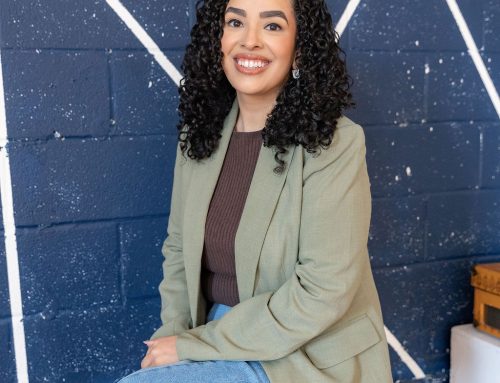
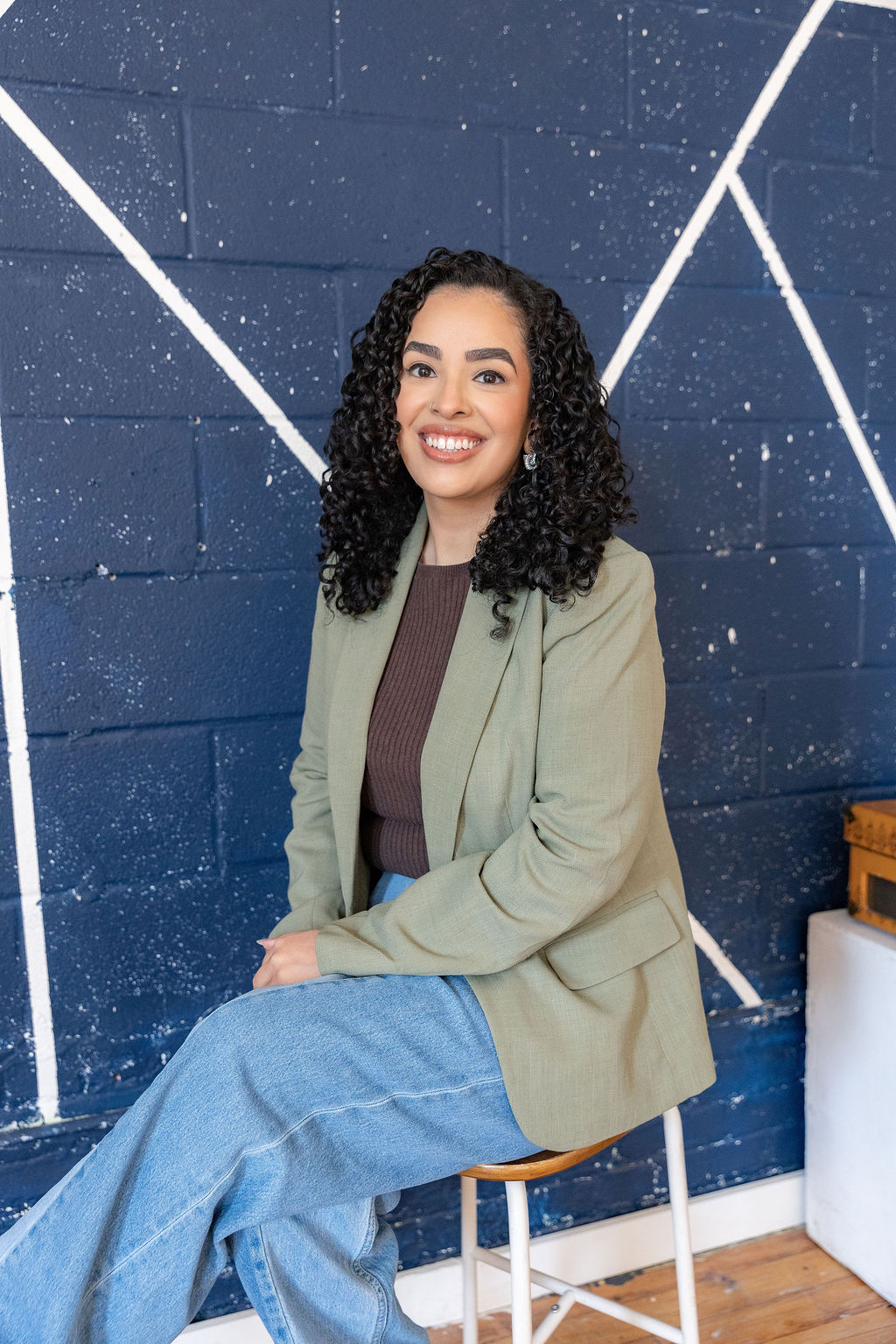
Meet Sara Diaz, LCSW, CFSW Founder of The First Gen Madrina
Sara Diaz is a licensed clinical social worker and first-generation Latina who founded The First Gen Madrina because she knows what it feels like to navigate a career without a map. Her path into this work began long before grad school: with the experience of feeling unseen, and later, with a Latina therapist who showed her what it looks like to be truly understood.
That experience is the heart of everything Sara does. Whether working with a social worker feeling the weight of burnout, trying to figure out what “success” even means for them, or someone quietly wondering if rest is allowed, Sara shows up as a Madrina, walking alongside her clients rather than simply advising them.
The Madrina Network
This is where community lives. The Madrina Network is a professional home for social workers who want more than just career advice. This is a space where advocacy, growth, and shared experience come together. Members find peer connection, professional development, and the kind of support that reminds them they don’t have to carry this work alone.
1:1 Career Coaching
For social workers ready to go deeper, Sara’s one-on-one coaching is built specifically for social workers who give so much to others and are learning how to advocate just as fiercely for themselves. Together, she and her clients work through burnout (because it’s systemic, not personal), career transitions, negotiation, and reclaiming a sense of purpose in a field that can ask everything of them.
For more information, visit thefirstgenmadrina.com.